
Built for Terrain: The Trail as Design Blueprint
Outdoor sports have done more than inspire fashion. They have rewritten its design logic. Hiking, climbing, and trail movement introduced a new set of priorities into dress: protection, modularity, lightness, and endurance. What now gets labeled gorpcore and technical fashion did not begin as experiment. It began on rock faces, trails, and alpine routes where clothing had to function as equipment. Shell jackets, utility vests, zip systems, nylon pants, trail runners, and fleece layers were all developed for motion and survival. In fashion, these pieces now read as modern because they are stripped down to utility. Outdoor sportswear did not become stylish by accident. It became stylish because function created a new visual language, one that fashion continues to borrow from.
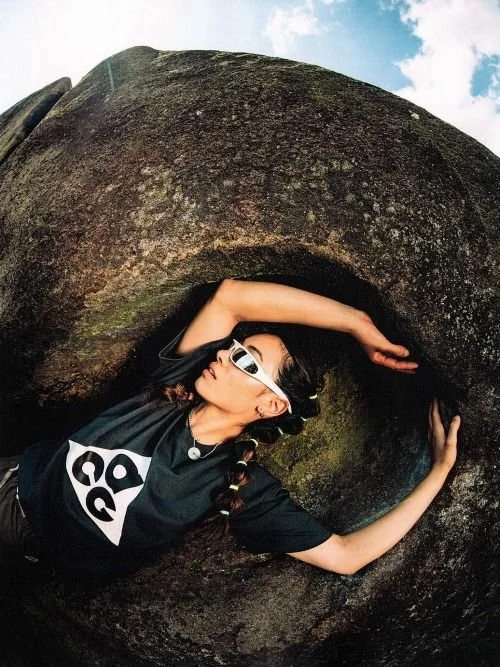
GOMA Projects for Nike ACG. Photo via Hiking Patrol.
Built by Environment
Outdoor sportswear is shaped by terrain in the most literal sense. Alpine movement needs layering systems that adapt quickly to temperature, wind, and elevation. These conditions produced clothing that looks different because it thinks differently.
Unlike traditional fashion, which often begins with image and moves toward wearability, outdoor design starts with environmental demand. Every seam, fastening, and fabric choice serves a purpose. Pockets are placed for access while in motion. Jackets are cut to layer without bulk. Soles are engineered for grip, not just form. This creates garments with an architectural clarity that fashion has found irresistible. Their beauty comes from necessity.
The Rise of Technical Language
Once outdoor gear moved into wider circulation, its details became visual codes. Drawcords, ripstop nylon, hydration pockets, carabiner loops, and panel construction all started to communicate something beyond utility. They suggested precision and preparedness.
This is where outdoor sports fashion became especially influential. It introduced technical language into everyday style. The garment no longer had to be decorative to feel intentional. It could be sleek because it was engineered, and it could be desirable because it looked capable.
Outdoor wear changed the meaning of refinement. Instead of equating luxury only with softness, polish, or ornament, technical fashion proposed a different kind of value: performance, research, and construction.
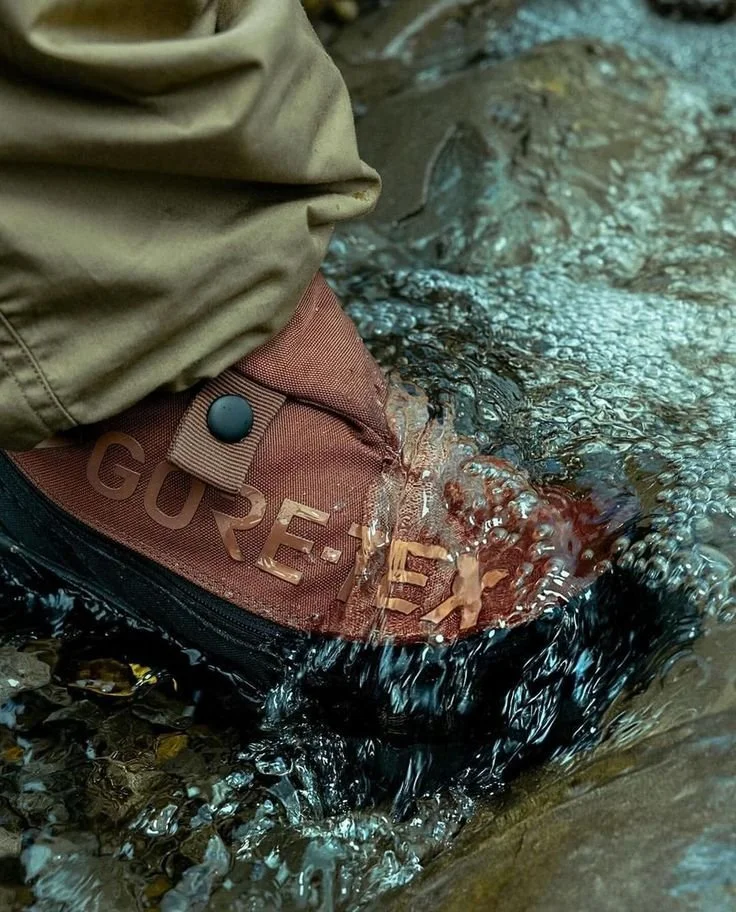
Merrell 1TRL Agility Peak 5 Zero GTX Zip Off. Photo via Proper Magazine.
Nike ACG and the Designed Expedition
Nike’s ACG line played a major role in translating outdoor utility into a broader fashion conversation. ACG, short for All Conditions Gear, approached the outdoors not as a niche but as a design framework. It borrowed from trail running, hiking, and climbing, then filtered those references through Nike’s visual confidence.
ACG mattered because it refused to separate performance from style. Its jackets, pants, and footwear were built for weather and movement, but they also felt graphic, expressive, and culturally visible. Unlike more purely technical brands, ACG embraced fashion-facing energy without losing its outdoor core. It made the trail feel like a site of design innovation rather than just recreation.
In doing so, ACG helped establish a now familiar idea: outdoor wear could be system-based and stylish at once. The outfit was not just clothing. It was a kit.
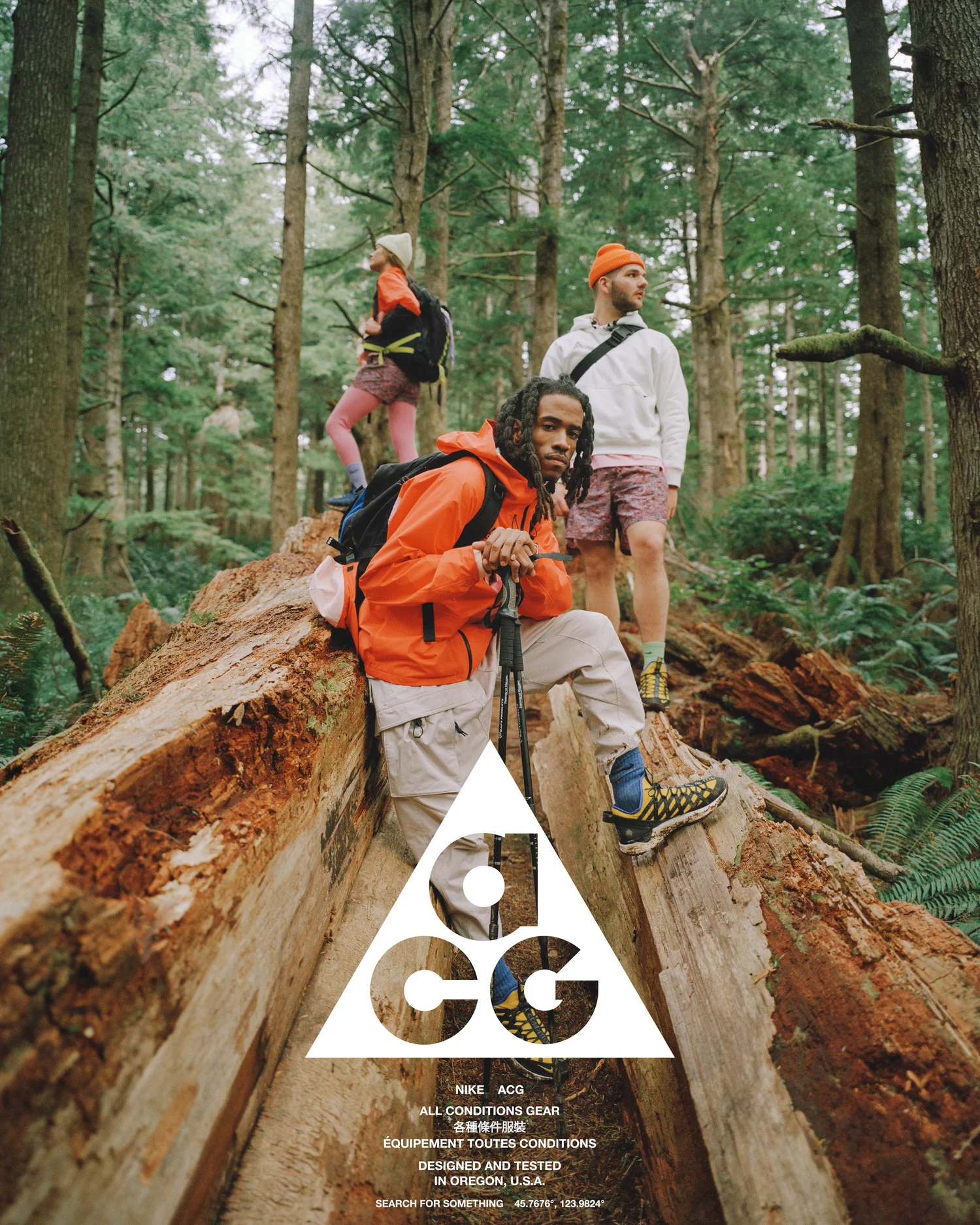
Nike ACG Summer 2019. Photo via Jerry Buttles.
Salomon and the New Shape of Footwear
Salomon’s influence has been especially visible in footwear in recent years. Trail running shoes were once too specific, too aggressive, too visibly functional to be absorbed into mainstream style. Now they define much of it. Salomon’s shoes, with their Quicklace systems, mesh uppers, contoured soles, and technical overlays, changed what a fashionable sneaker could look like.
Their appeal is not simply that they are comfortable or high-performing. It is that they carry the authority of specialization. They do not look generic, they look exact. That exactness has become desirable in a fashion world increasingly drawn to products that feel engineered rather than merely styled.
Salomon helped normalize the idea that shoes designed for dirt, rock, and elevation could feel more contemporary than traditional lifestyle sneakers. The trail runner became urban not because it was softened, but because fashion changed around it.
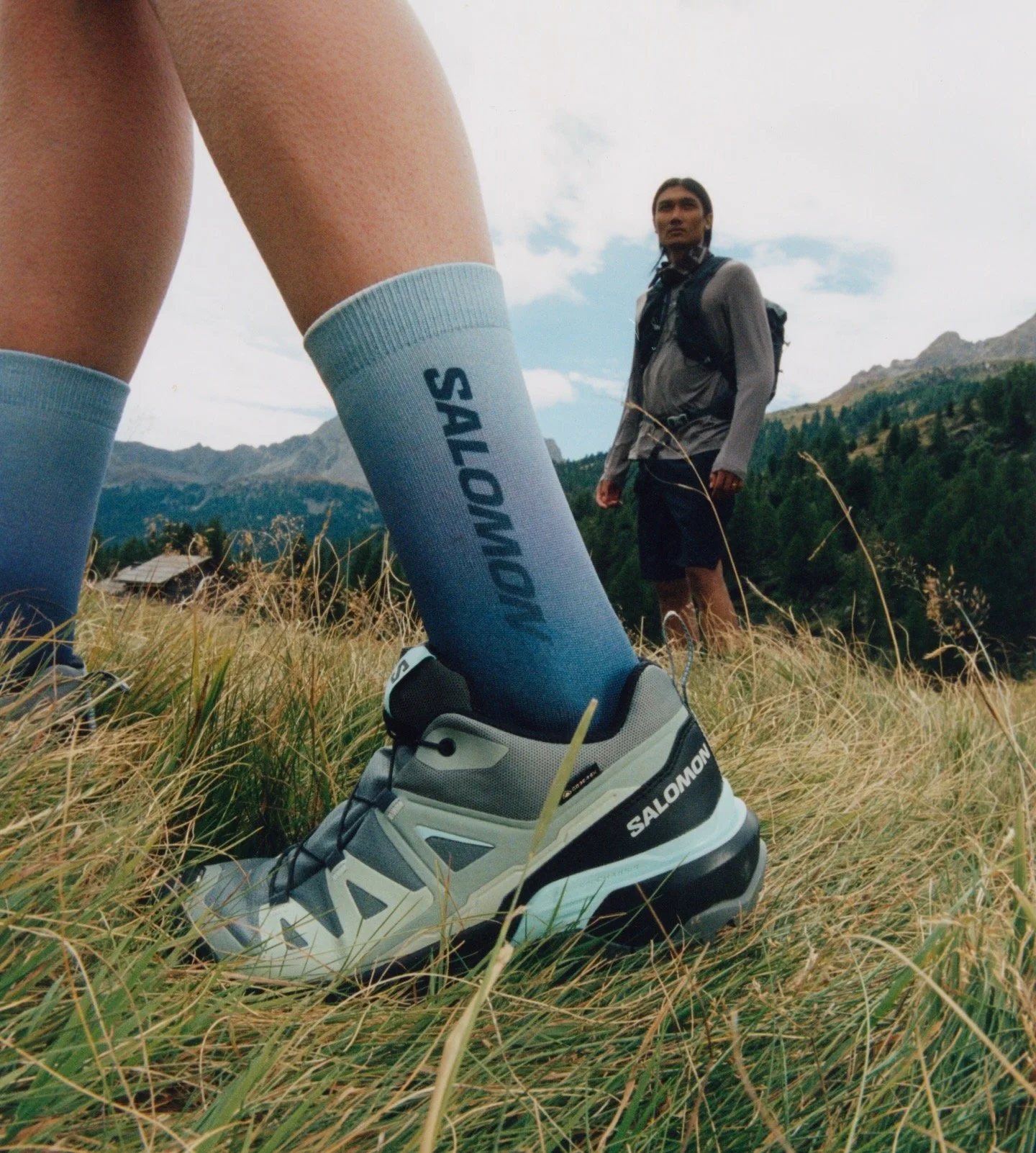
X-ULTRA 360 Edge GORE-TEX. Photo via Salomon.
Climbing’s Influence on the Silhouette
Climbing, in particular, has shaped contemporary style more than it is often given credit for. Chalk bags, harness references, cropped technical pants, and durable fabrication all come from a sport where the body must move freely but remain protected. Climbing gear made fashion think differently about volume and mobility.
This influence can be seen across streetwear, contemporary menswear, and even luxury collections that borrow carabiners, utility webbing, and robes to accessorize. The sport introduced a balance between looseness and control. Clothing could be relaxed without being careless. It could be tough without being heavy. That tension remains central to outdoor fashion’s appeal. It combines discipline and ease.
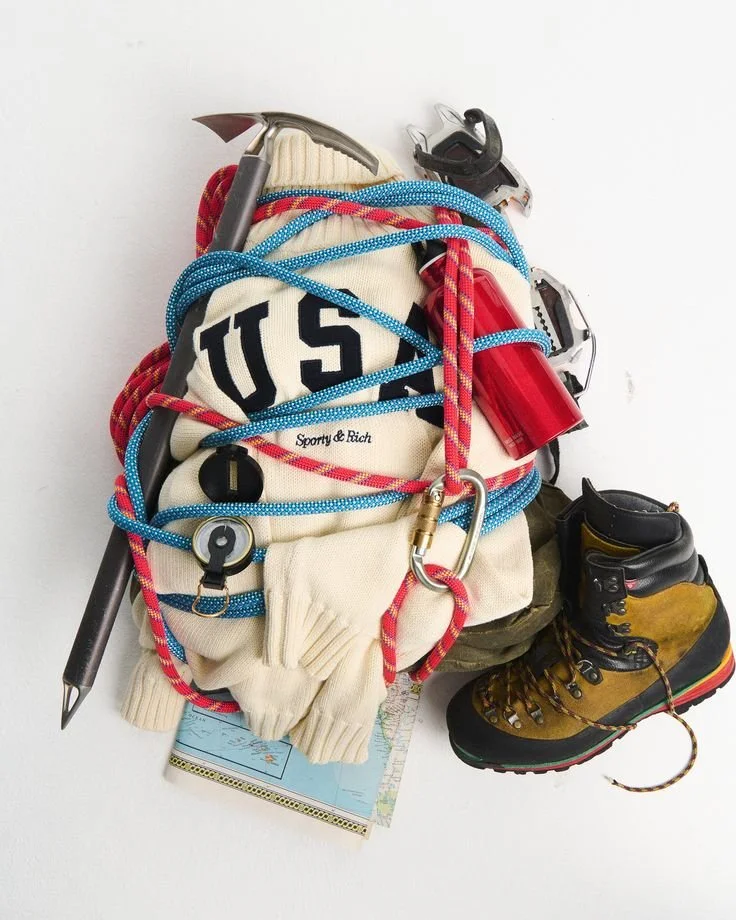
Hiking drop. Photo via Sporty & Rich.
Fashion Follows the Trail
What makes outdoor sports fashion so enduring is that it offers more than a look. It offers a design philosophy. Build for conditions. Build for conditions, remove what is unnecessary, and let materials do the work. Prioritize systems over surface. These principles now appear far beyond trail culture, shaping how fashion brands think about outerwear, footwear, and everyday uniforms.
Outdoor style is often discussed as a trend, but its deeper impact is structural. It changed what consumers recognize as quality, and what silhouettes feel current.
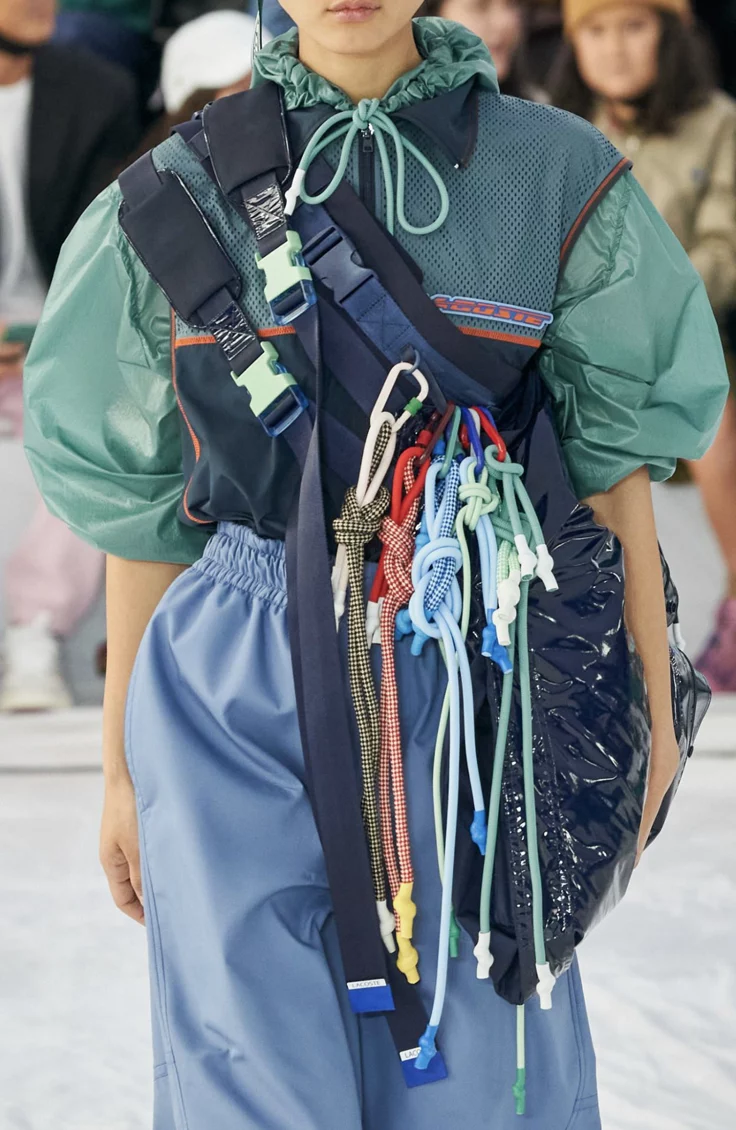
Lacoste SS2022. Photo via Lacoste.
The Walk Forward
Outdoor sports fashion is not compelling simply because it looks rugged or expensive. It matters because it transformed the rules of contemporary dress. Hiking, climbing, and trail culture introduced garments that were intelligent before they were fashionable. Their authority came from use, and that authority still shapes how they are worn and understood now.
To walk forward is to recognize that some of fashion’s most modern ideas did not come from the runway; they came from terrain and the need to adapt.
The trail did not just influence style; it taught fashion how to think.
