
Everyday Practice: Where Sport Becomes Habit
Athleisure in 2026 feels less like a category and more like a condition of everyday life. It lives in the overlap between sport and routine, shaped by movement, repetition, and environment rather than spectacle or trend cycles. This evolution isn’t loud or reactionary. It’s quiet, confident, and deeply intentional. Clothing is no longer expected to perform for an audience. It’s meant to move through real days, adapt to changing schedules, and reflect personal rhythm rather than polished perfection. Fashion hasn’t abandoned sport. It’s finally listening to it.
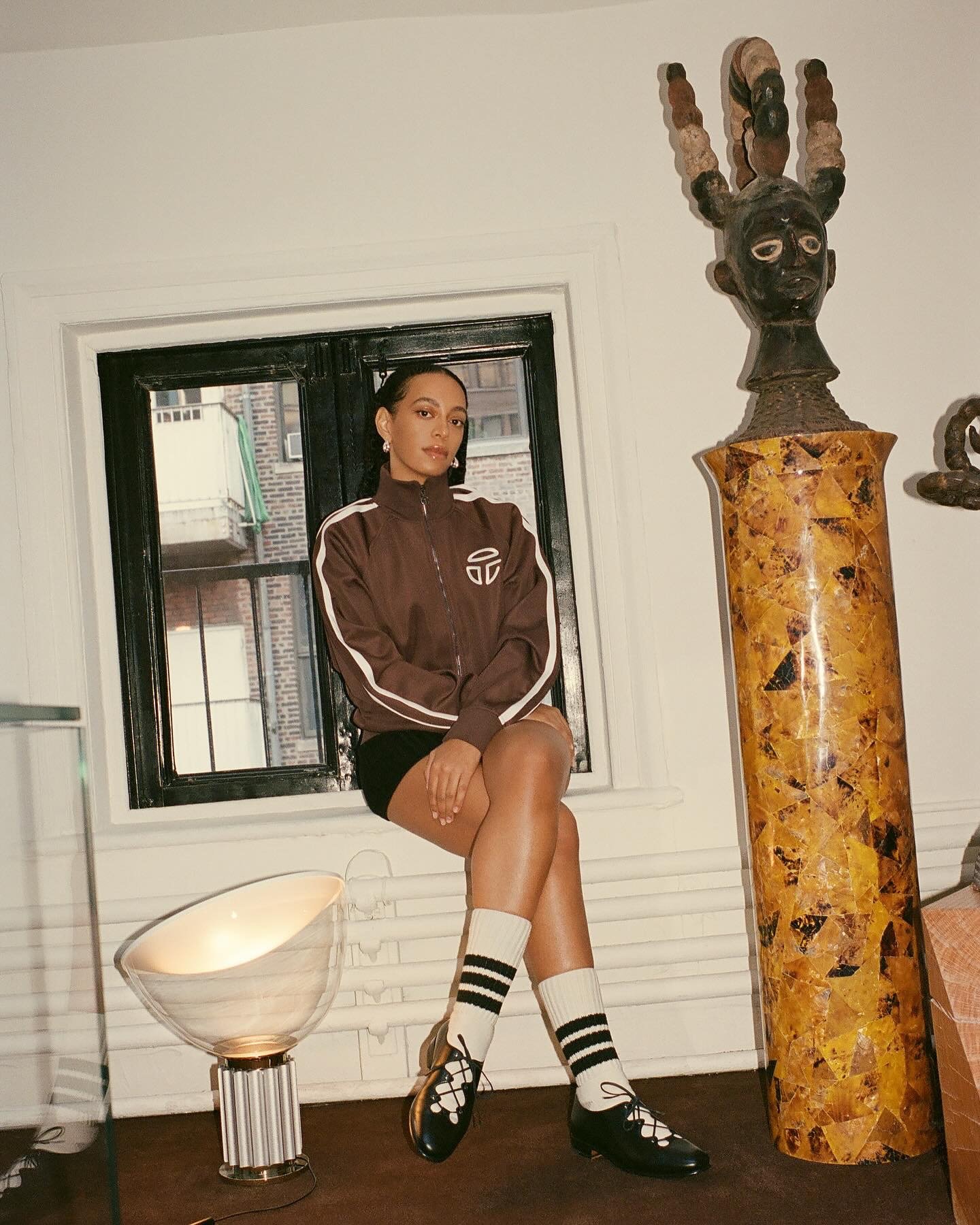
Solange wearing the Telfar Track Jacket. Photo via Clément Pascal.
From Polished to Lived-In
This shift does not erase individuality; it amplifies it. As athleisure moves away from hyper-curated perfection, personal style now has room to surface organically. Pieces are no longer styled to look identical; they’re worn, adapted, and lived in differently by each person.
A jacket that slouches over time. Leggings stretched softly at the knees. Sneakers creased from repetition. These details become markers of identity rather than flaws to correct. Style lives in nuance instead of polish through layering choices, garment repetition, and the balance between function and expression.
Styling combinations feel instinctive, assembled over time rather than perfected in a mirror.
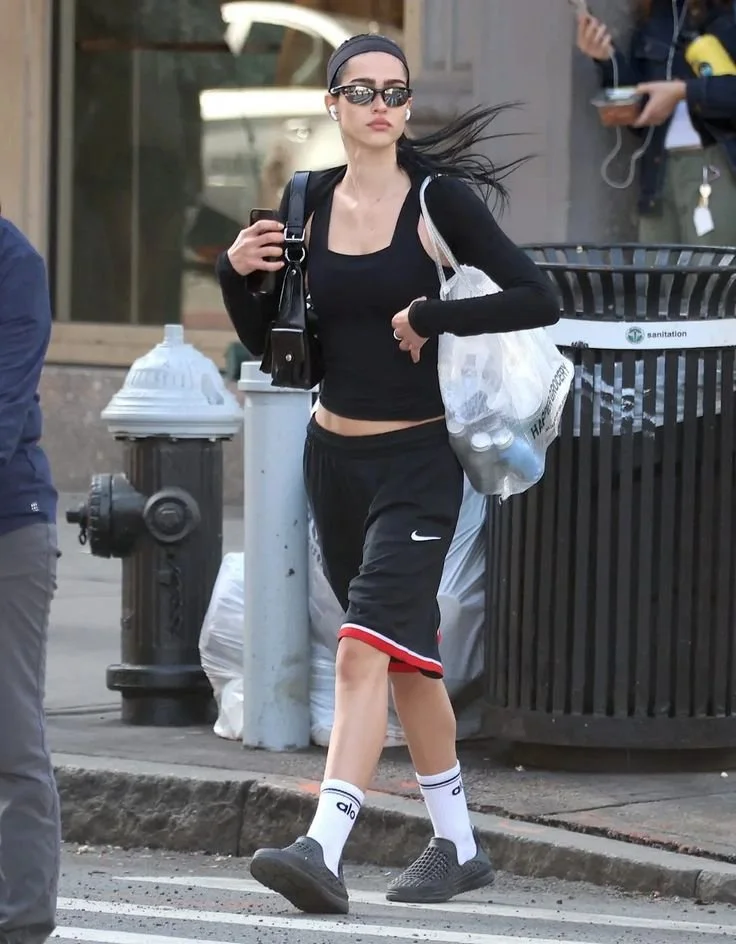
Amelia Gray Hamlin in runner chic.
Comfort as Confidence
Comfort no longer exists in opposition to taste. Softness and wear are not signals of carelessness, but evidence of use and assurance. The wearer isn’t simply dressed for display, but for life, trusting that authenticity carries its own visual weight out in the real world.
In this way, athleisure resists uniformity while remaining cohesive. It allows individuals to move freely without erasing their point of view. Style becomes something accumulated rather than imposed. Clothing adapts to the person, not the other way around. Presence replaces control. Ease replaces correction.
Dressing Through Motion, Not Moments
The strongest athleisure inspiration today comes from movement, not events. Early-morning runners warming up. Athletes leaving practice. People walking long distances through cities, layering and unlayering as the day shifts.
These outfits aren’t built for a single destination. They’re assembled to endure transitions, temperature changes, unexpected stops, altered plans. A windbreaker over a hoodie. Training pants paired with everyday shoes. A compression layer worn simply because it supports the body. Fashion-forward athleisure doesn’t interrupt life. It moves alongside it.
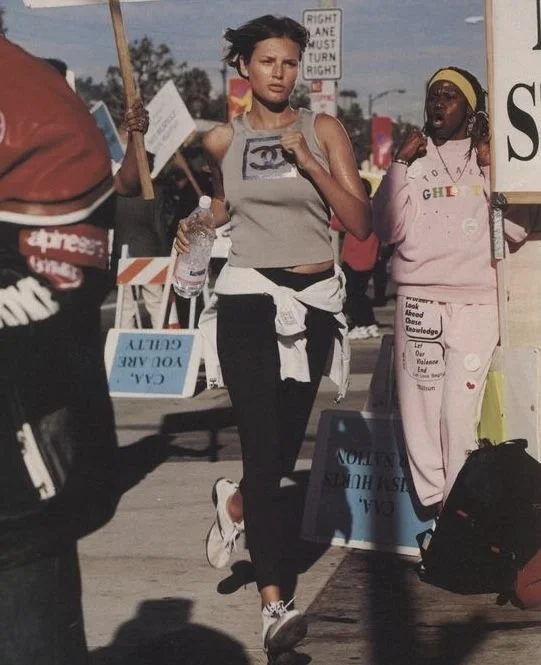
i-D Magazine “Fit” 2001. Photo via Robert Wyatt.
The Confidence of Understatement
A new restraint defines contemporary athleisure. Instead of bold gestures or overt styling, attention shifts to proportion, fabric, and quiet contrast. These clothes don’t announce themselves; their intention reveals itself through wear. This sensibility echoes the design philosophy long associated with Phoebe Philo, where confidence is communicated through balance, tension, and control rather than display.
Performance elements remain, but discreetly. Stretch and compression function as structure rather than spectacle. Sports bras operate as foundational layers, not statements. Track pants adopt the drape and ease of tailored trousers. Lightweight running jackets move fluidly between athletic and everyday contexts without signaling either too loudly, a logic also present in Miuccia Prada’s treatment of technical materials, where function becomes form without explanation.
Confidence here is quiet, rooted in refinement, balance, and trust.
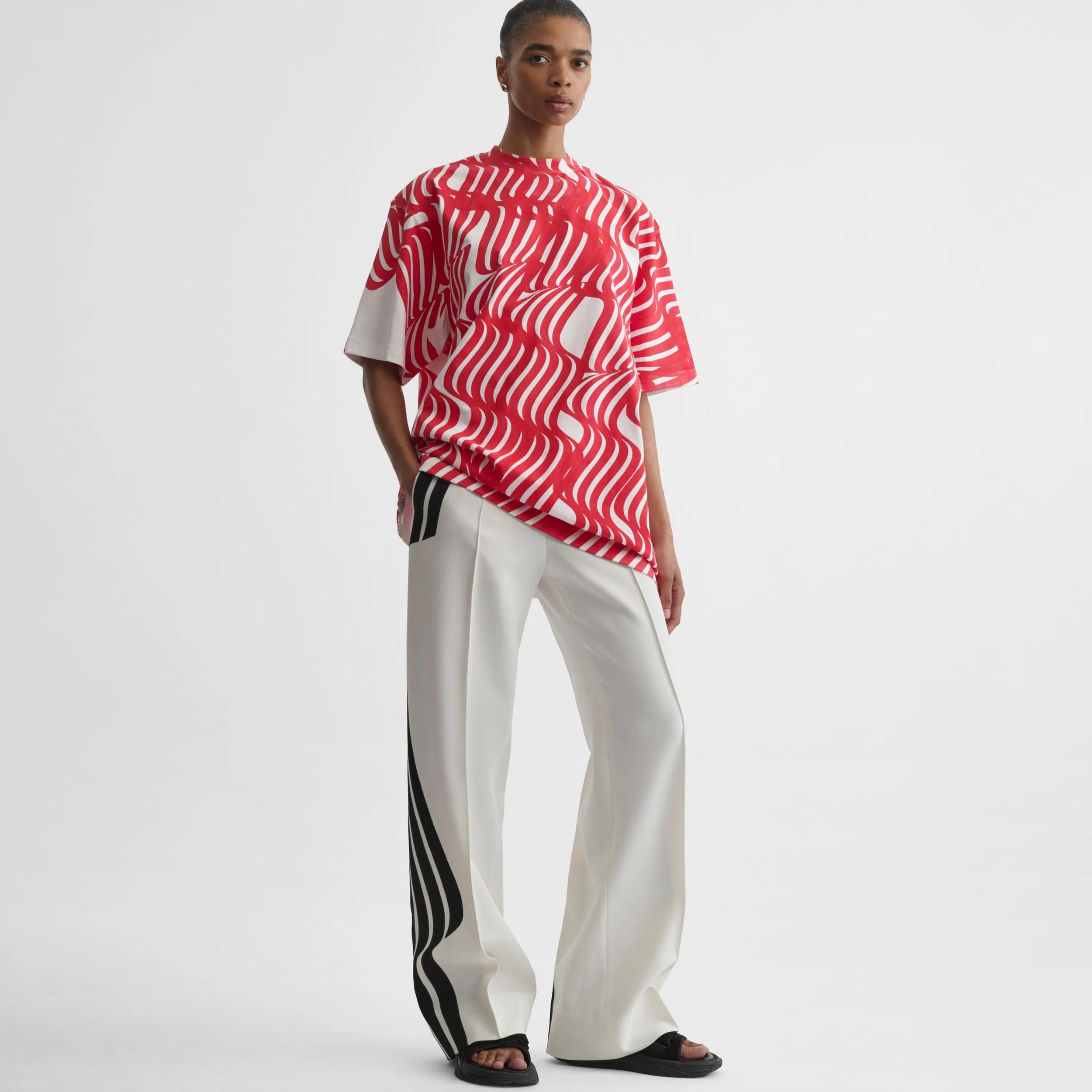
Phoebe Philo technical tailoring. Photo via Phoebe Philo.
Sport as a Visual Foundation
In 2026, sport influences fashion structurally rather than symbolically. Athletic silhouettes, fabrics, and layering systems are no longer referenced or reinterpreted, they are embedded directly into everyday dress.
Warm-up pieces define modern proportions. Training layers shape outfits from the inside out. Ribbing, mesh, and paneling appear purposeful, understood as part of a garment’s logic rather than surface decoration.
This marks a true convergence. Style is guided by athletic intelligence rather than sport-inspired aesthetics alone. The result is clothing that feels grounded, wearable, and inherently modern.
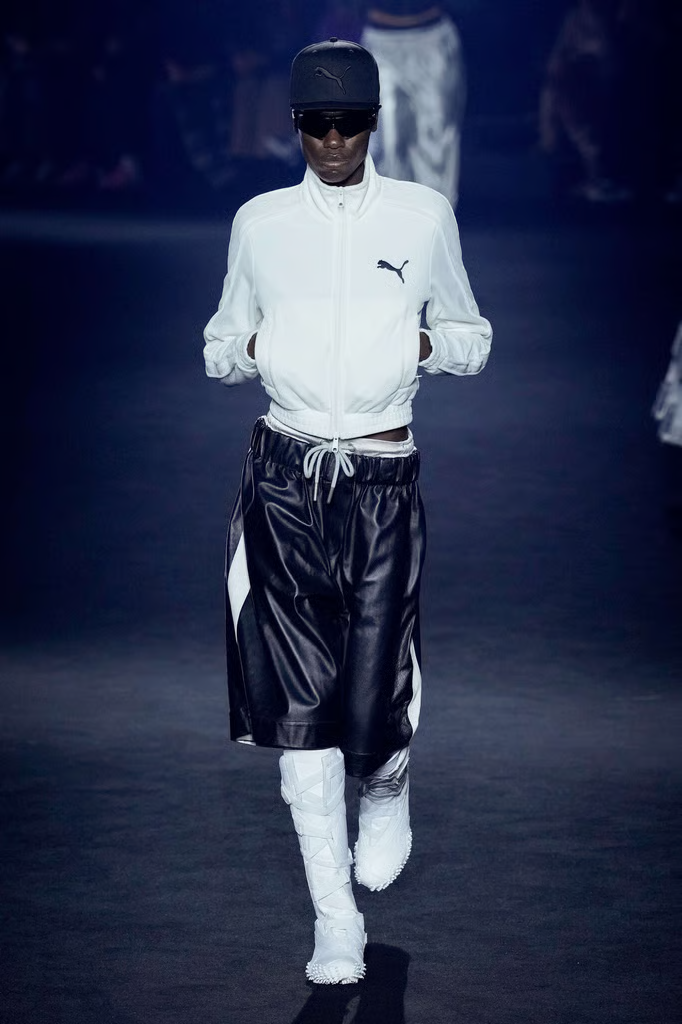
Puma FW24 Womenswear. Photo via Fashion Network.
A Wardrobe Built for Movement
Athleisure in 2026 isn’t about constructing a single finished look. It’s about building a wardrobe that evolves. Pieces are chosen for durability, versatility, and relevance rather than novelty. One pair of leggings spans seasons and settings. A jacket gains character through repetition.
Mixing brands, textures, and eras creates depth without effort. The absence of rigid matching sets allows interpretation and flexibility. No two wardrobes look alike, because no two lives move the same way.
Transformation happens through layers and accessories, not outfit changes. Shoes recalibrate tone. Coats sharpen silhouettes. Bags introduce structure or softness as needed. Clothing adapts as the day unfolds.
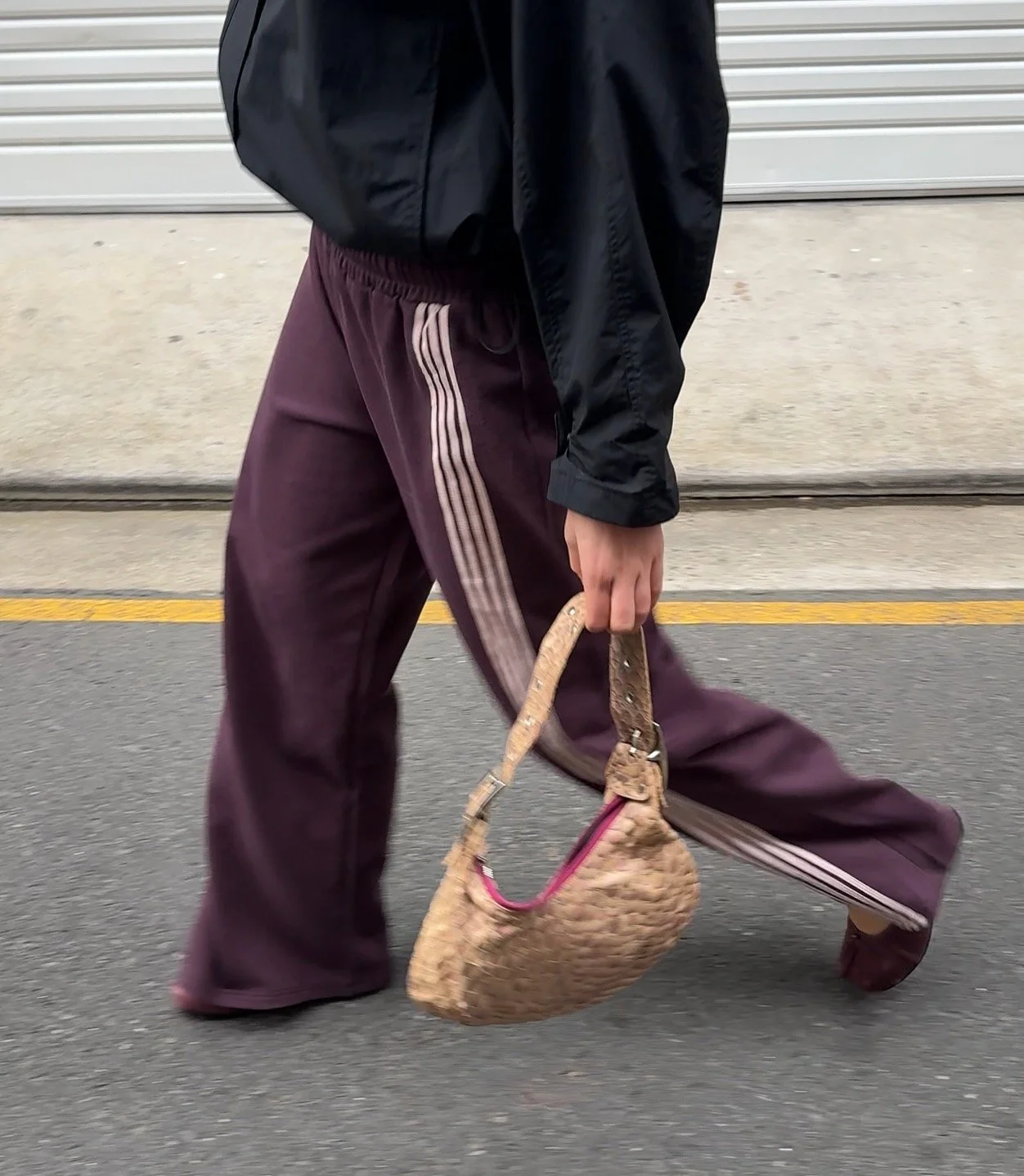
The other normal trackpants. Photo via Instagram.
Space for the Wearer
This philosophy is echoed by brands like Nadia New York and Other Normal, whose designs resist over-determination. Their garments don’t prescribe a lifestyle. They operate as tools, open-ended pieces that sit comfortably between sport and fashion.
By leaving space for interpretation, these designs invite individuality. Flexibility, more than any visual cue, defines contemporary athleisure and gives it longevity.
The Walk Forward
Athleisure in 2026 doesn’t seek attention, approval, or explanation. It’s rooted in use, movement, and personal rhythm. As sport and fashion fully integrate, the most compelling expression of style comes from dressing intuitively—selecting pieces that support how life is actually lived, not how it’s meant to appear.
There is less orchestration and more trust. Fewer rules, fewer signals, fewer corrections. Clothing becomes a framework rather than a performance.
Less planning. More presence.
Not a look, but a way of moving forward.
