
In Stride: The Global Language of the Tracksuit
Some garments are designed for stillness, others are built to move. Track style is rooted in motion. Created for bodies in motion and moments of exertion, its silhouettes were shaped by speed, control, and repetition. Long before tracksuits became cultural signifiers, they existed as tools. Worn in warm-ups, cooldowns, and the in-between spaces of competition. Over time, they crossed lanes and borders, picked up meaning, and found new rhythm in music and street culture. What began as an athletic necessity has become a global uniform, carrying the marks of discipline, identity, and momentum wherever it goes.
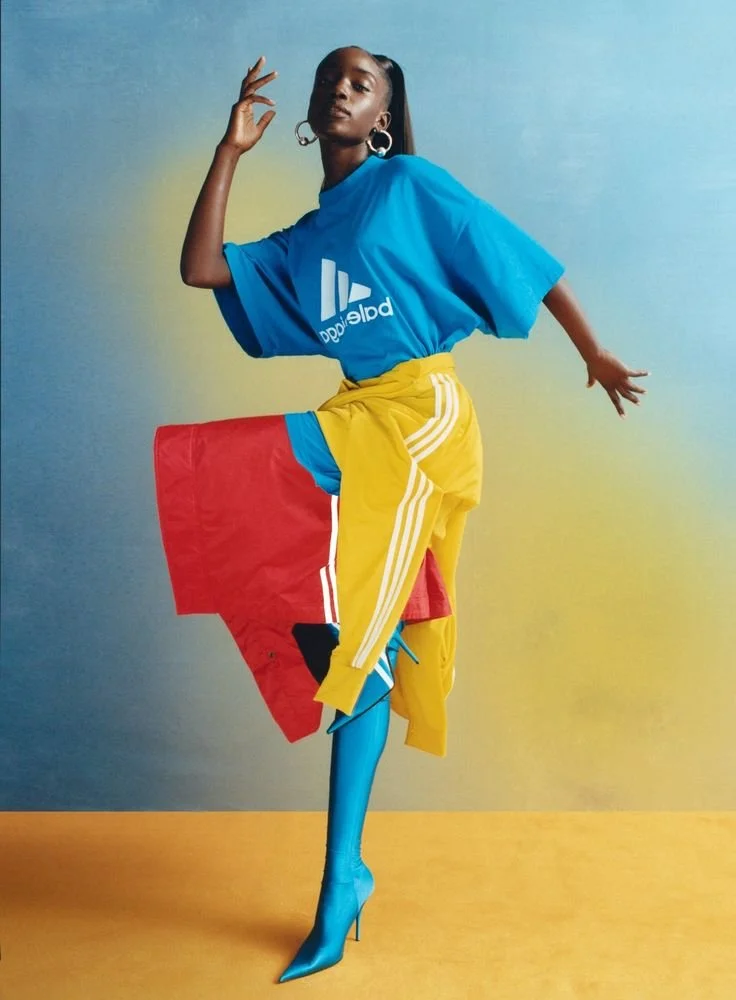
“Fall fashion goes sporty.” Photo via Campbell Addy.
The Uniform of Preparation
Tracksuits were never meant to be the main event. They were designed for the moments surrounding preparation. Before the countdown, after the finish, and between repetitions. Lightweight fabrics regulated temperature, and elastic waists and zip fronts allowed for quick changes. Every detail served efficiency.
That same logic carried from the track into football culture. On sidelines and training grounds, soccer players adopted the tracksuit as a uniform of preparation. It became a visible symbol of readiness, even when the body wasn’t actively competing.
In this way, track style became less about sport itself and more about the mindset of the athlete; always warming up, always in motion.
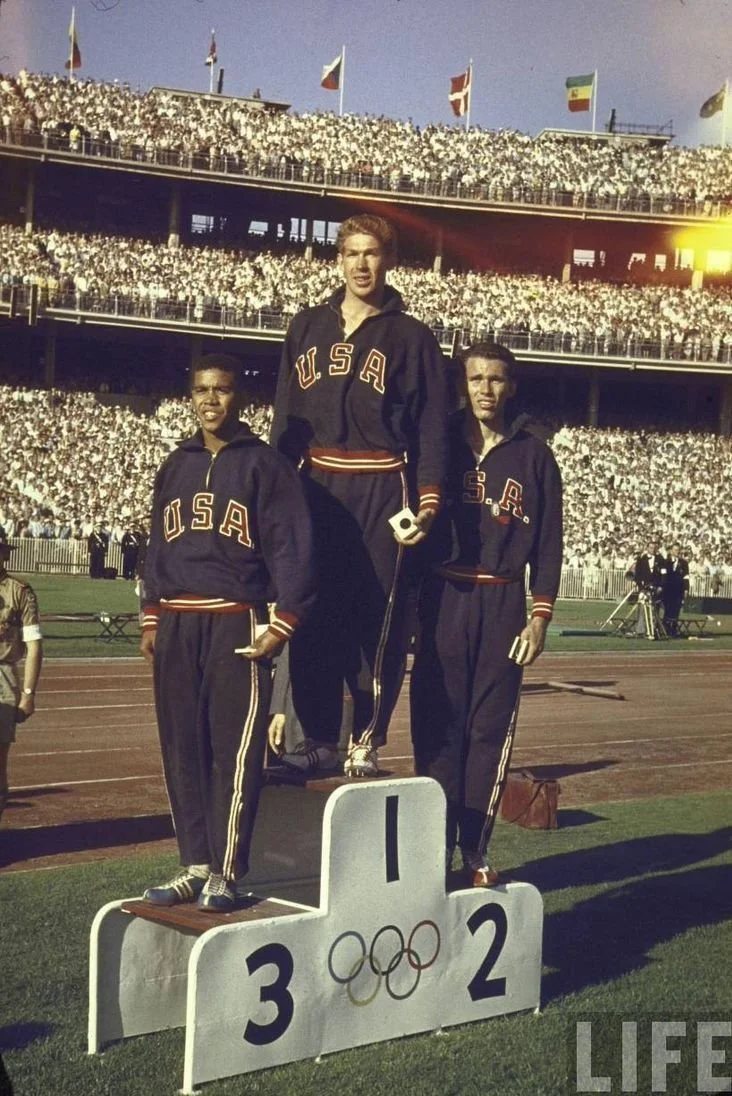
Summer Olympics, 1956. Photo via Life Magazine.
Adidas and the Language of Stripes
No brand is more closely tied to track culture than adidas. Long before fashion entered the conversation, the brand was built in stadiums and training grounds, where performance dictated design. In 1967, adidas introduced its first tracksuit, which was later known as the Beckenbauer, creating a uniform that extended athletic identity beyond the competition.
Those stripes began as functional reinforcement, but they quickly became symbolic. They turned into markers of authenticity, and when adidas tracksuits moved into everyday life, they carried credibility without explanation. The stripes signaled alignment with sport and discipline that felt earned rather than styled.
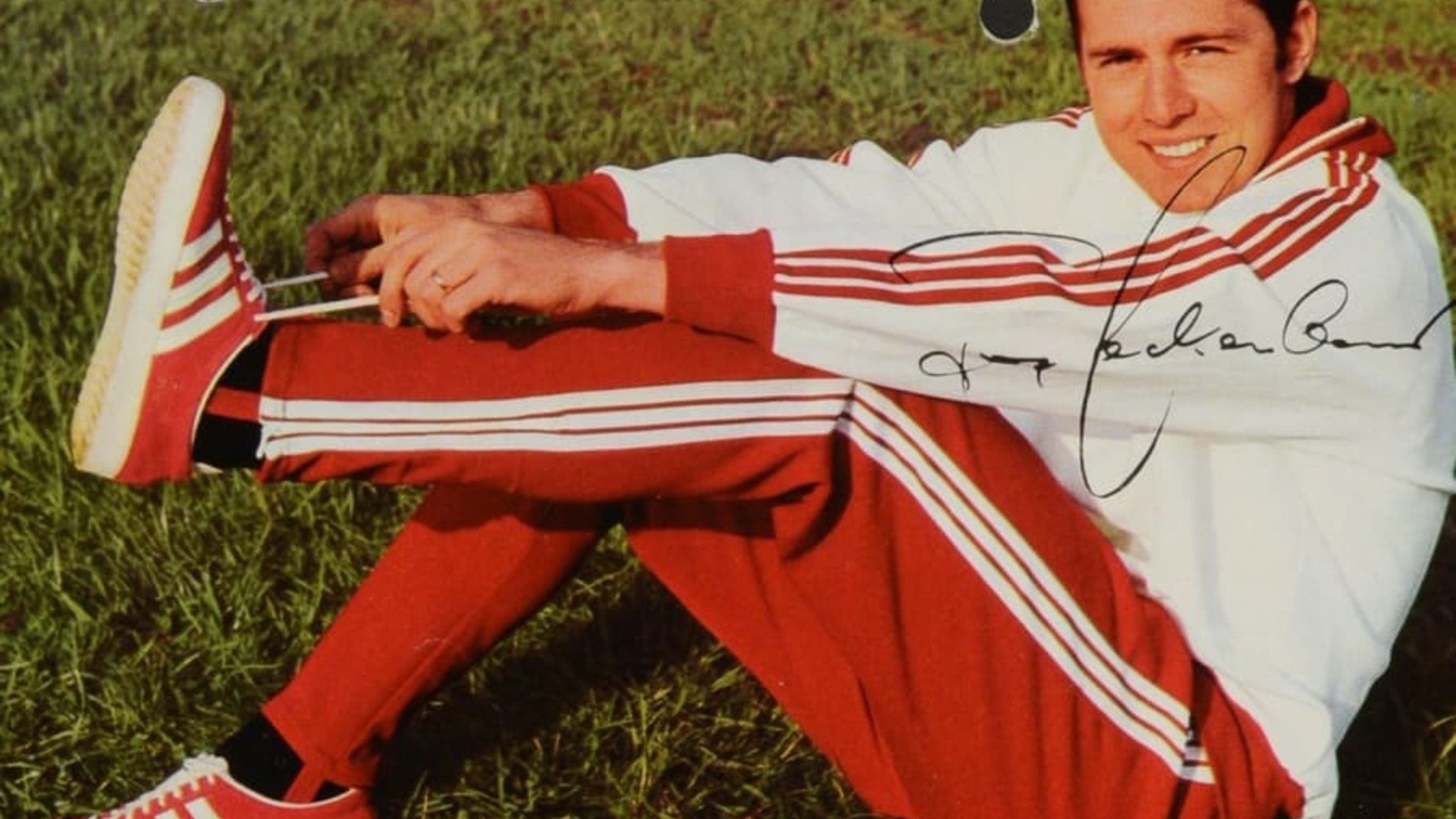
Franz Beckenbauer endorsing adidas. Photo via adidas.
The Eras of Tracksuits
The track suit has never belonged to one moment. Its meaning shifts with time, shaped by color, cut, and culture. In the late ’70s and early ’80s, track suits were bold and unmistakable. The bright colors, glossy fabrics, and full matching sets were worn by athletes and early hip-hop artists.
By the ’90s, the silhouette settled in. Colors deepened, fits loosened, and track suits became everyday uniforms in urban spaces, signaling consistency, belonging, and quiet authority. The 2000s then pushed excess: velour sets, oversized logos, celebrity spectacle. Comfort became pop culture.
Today, track suits exist across extremes; technical and luxurious, minimalist and archival. The form remains familiar, proving that track style doesn’t disappear. It adapts, moving with culture itself.
Influence of Hip-hop
Hip-hop has always centered movement. Dance, stance, rhythm, breath. Track wear fit seamlessly into that ecosystem; it just made sense. It moved with dancers, layered easily, and held its shape under pressure.
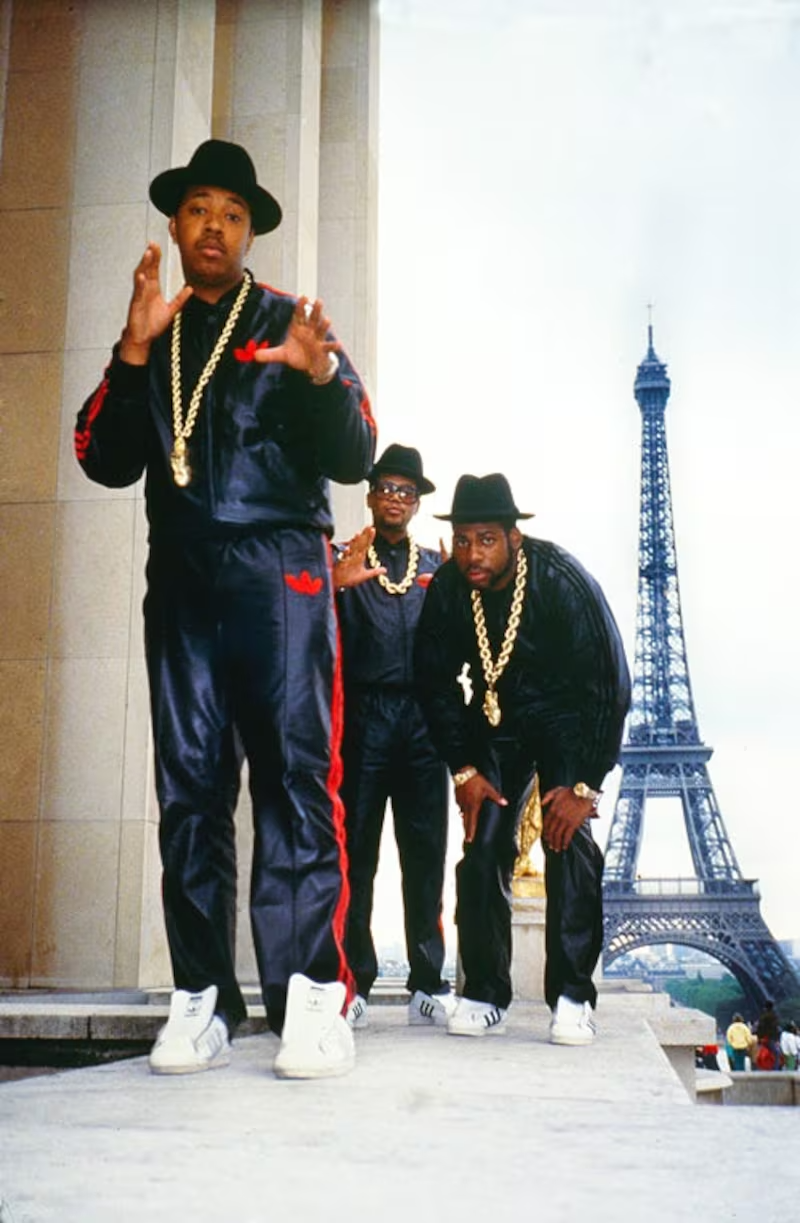
Run-D.M.C. in Paris on the Together Forever tour. Photo via Ricky Powell.
Unlike tailored fashion, tracksuits allowed for expression without restriction. Fit became personal, and colorways became statements. The way a jacket sat on the shoulders or pants stacked at the ankle told a story.
Track style offered consistency in environments defined by change. It was wearable and unmistakably intentional. Through hip-hop, the tracksuit became more than sportswear; it became a symbol of self-definition.
Global Circulation
Track style travels easily because track itself is universal. From Eastern Europe to West Africa, from London to Tokyo, the silhouette adapted without losing its core. In many places, the tracksuit symbolized accessibility. It was durable, affordable, and functional; clothing designed for real movement in real conditions.
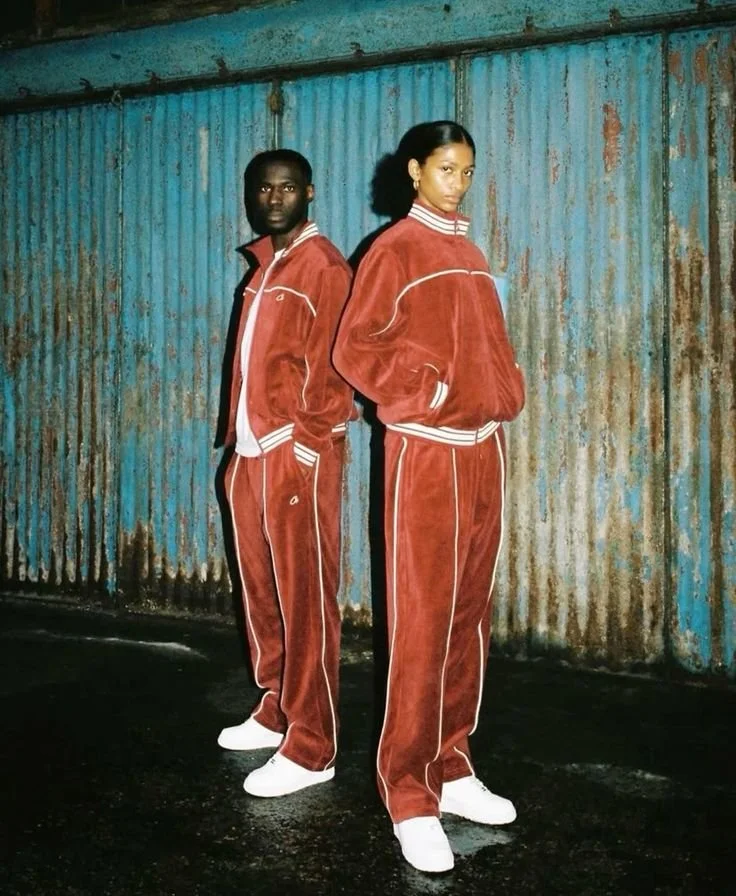
Corteiz velour tracksuit. Photo via Corteiz.
Even as luxury fashion later reinterpreted the look, the origins remained visible. Elevated materials couldn’t erase the memory of effort embedded in the form. Track style resists stillness. It carries the tension of forward motion wherever it appears.
Luxury Motion
When luxury fashion turned its attention to the tracksuit, it refined what performance meant. Cashmere blends replaced polyester, tailored cuts sharpened relaxed forms, and subtle branding took the place of bold stripes. What was once built for sweat and repetition became an object of leisure and status.
This shift revealed a familiar pattern, and brands like Balenciaga and Gucci have arguably changed the game. Designers borrowed the language of performance while removing its urgency. The tracksuit became a symbol of ease, suggesting motion without requiring it.
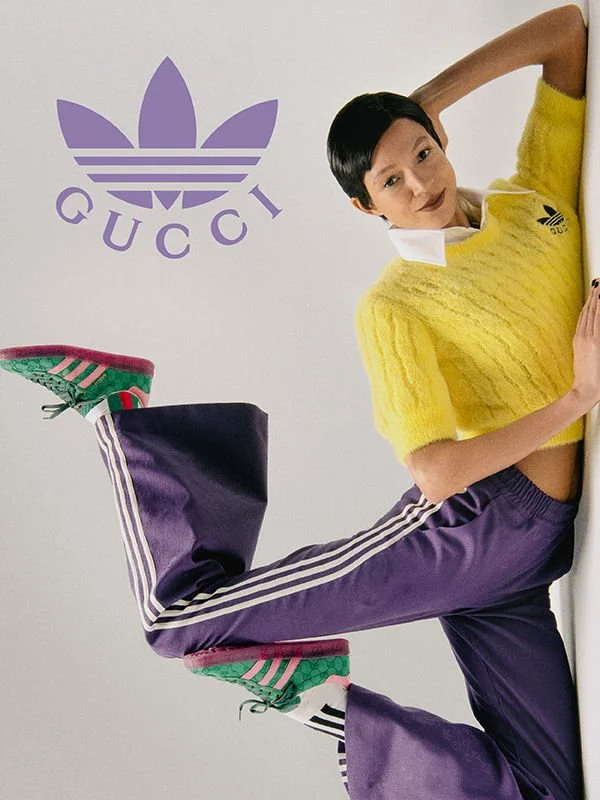
Gucci x adidas, 2023. Photo via Gucci.
Yet, no matter how elevated the material or exclusive the price, the tracksuit carries its past. Its proportions still reference effort, and its posture still implies readiness. In that way, luxury tracksuits sit at an intersection between work and display, authenticity and aspiration. They ask whether motion can be owned or imitated, and remind us that some silhouettes will always belong to the bodies that first put them to work.
The Walk Forward
Track style asks a simple question: how do you move through the world?
It doesn’t celebrate arrival as much as preparation; it values momentum over spectacle. In a culture increasingly shaped by still images and static presentation, track style insists on motion, on progress, discipline, and intent.
What began in lanes and warm-ups now moves globally, carrying with it the marks of effort and identity. Because the most lasting styles aren’t built to stand still, they’re built to keep going.
